Natural disasters stress resources in hospitals and create other obstacles
If you have experience working with a broad range of patients, you know there’s a big difference in resiliency from one patient to the next. While a young adult can almost always bounce back from a broken leg, a broken hip is a life-threatening situation for many geriatric patients.
On the other hand, if you’re a specialized nurse, you’re highly knowledgeable about the vulnerabilities specifically related to your field. You know exactly what neonatal symptoms to monitor, or you’re highly aware of the drug interactions a psych patient needs to consider.
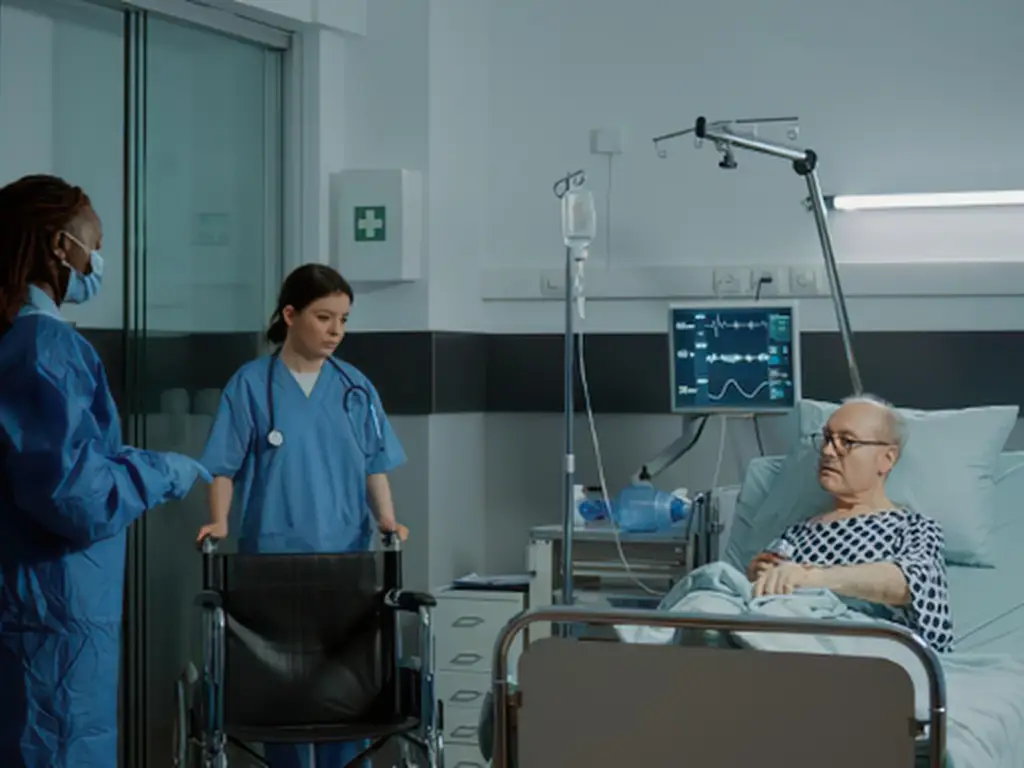
If you’re ever affected by a natural disaster during your work as a travel nurse, the know-how and wisdom you’ve accumulated over the years will be a great asset. Because natural disasters stress resources in hospitals and create other obstacles, you’ll need to pay special attention to caring for your most vulnerable patients.
Here’s what you can do to help them.
Identify who’s vulnerable
Emergency room and ICU patients stand out clearly as people needing special attention during a crisis. Your hospital likely has plans specifically addressing how they’ll be treated as part of the hospital’s Emergency Management Plan. Additionally, here are a few other groups to keep in mind, and the reasons why they’re vulnerable.
Children and infants. Children make up 27% of the U.S. population and about 20% of all hospital emergency department visits. In 2006, a report in the Institute of Medicine’s (IOM) Future of Emergency Care series suggested that medical care for pediatric patients in the ER is uneven — during normal times.
So what about during a disaster? A 2013 report found that “current state and local disaster plans often do not include specific considerations for children and families.”
The elderly. When it comes to the elderly, the repercussions of natural disasters extend far longer than the days immediately following. In fact, older adults require a statistically significant level of extra medical services for up to three weeks after a natural disaster. These increases are due to a host of problems, including less access to medication during disasters.
For example, a University of Michigan study found that in the month following a series of 2011 tornadoes, hospital admissions for adults 65 and older increased an average of 4 percent in Alabama, Georgia, Mississippi, and Tennessee. Alabama faced the greatest increase of hospitalizations and intensive care, which were up 9 percent. On average, the locations affected by the tornadoes saw 5,000 hospital admissions during the 30 days following the tornado, compared to 4,700 average per month per year.
Those with chronic conditions. Similar to the problems faced by the elderly, people with chronic conditions often have a difficult time complying with medication during natural disasters. There may be interruptions in pharmacy service, shortages of pills, or physical barriers to getting meds.
Kidney disease is a clear example of how natural disasters can affect vulnerable populations. In 2012, disruptions for hospital and dialysis facilities caused by Hurricane Sandy led to increased ER visits, hospitalizations, and a minor rise in the death rate of kidney patients, according to study published in the National Kidney Foundation’s American Journal of Kidney Diseases. Analyzing data from over 13,000 patients, researchers found ER visits went up to 4 percent (from about 2 percent) after the storm. The study highlighted the need for hospitals to discuss emergency renal diet options and have extra supplies on hand.
Those with compromised mental health. According to the National Alliance on Mental Illness, the stress of natural disasters can have a profound emotional impact, and especially on those with mental health issues. Also, similar to those with chronic physical health problems, patients with mental illness may also face shortages in medications during a disaster.
In addition to affecting those who already struggle with mental health issues, natural disasters have a mental impact across all populations. Following Hurricane Katrina, researchers found that nearly half of low-income parents who experienced the hurricane had PTSD. Rates of suicide also increased. Similar findings occurred following Hurricane Andrew in 1992.
Act (or react) strategically
Once you know who’s vulnerable during disasters — and how — you’ll need to consider how you can react and best serve your patients.
After the crisis has ended, you’ll want to take extra care while treating people who were affected by the disaster. In the case of the disabled, elderly, or those suffering from mental illness, make sure you take a history of the patient’s medication compliance during the disaster. Doing so may help you minimize negative side effects.
What if you’re actively engaged in treating patients during a crisis? That, too, may require adjustments to protect the most vulnerable. As a travel nurse, your responsibility during a disaster is to be prepared to follow the instructions of administrators/senior staff. Here are some things to consider:
Triage. Triage, which is usually a fairly standard process, may change during a disaster or mass casualty incident (MCI). Try to participate in mass casualty incident drills to learn what to expect.
Evacuations. Natural disasters often require hospital evacuations, either pre-event or post-event. Evacuations may be total or partial, depending on what damage the hospital has incurred and which patients are affected. Make sure to research your hospital’s evacuation plans, which will give detailed information regarding the procedures you should follow.
Evacuations of ICUs are a particularly challenging aspect of natural disaster crisis management. Communication, preparation, and effective leadership are musts for making the ICU evacuation safe and successful.
Active Shooters. In an active shooter situation, if you’re around vulnerable patients who can’t run, hide, or fight, take extra precautions. Activate security doors and barricade the rooms of immobile patients.
Catastrophic events in a hospital setting are once-in-a-lifetime events, thankfully. If you do face one, as a nurse, your compassion and bravery will kickstart you into action. Your expertise and preparation will help you provide the best care for the most vulnerable patients. There’s a reason nurses are considered heroes!
For more ways to prepare yourself for nursing in emergencies, read our guide on what to do differently in a disaster or mass casualty situation.