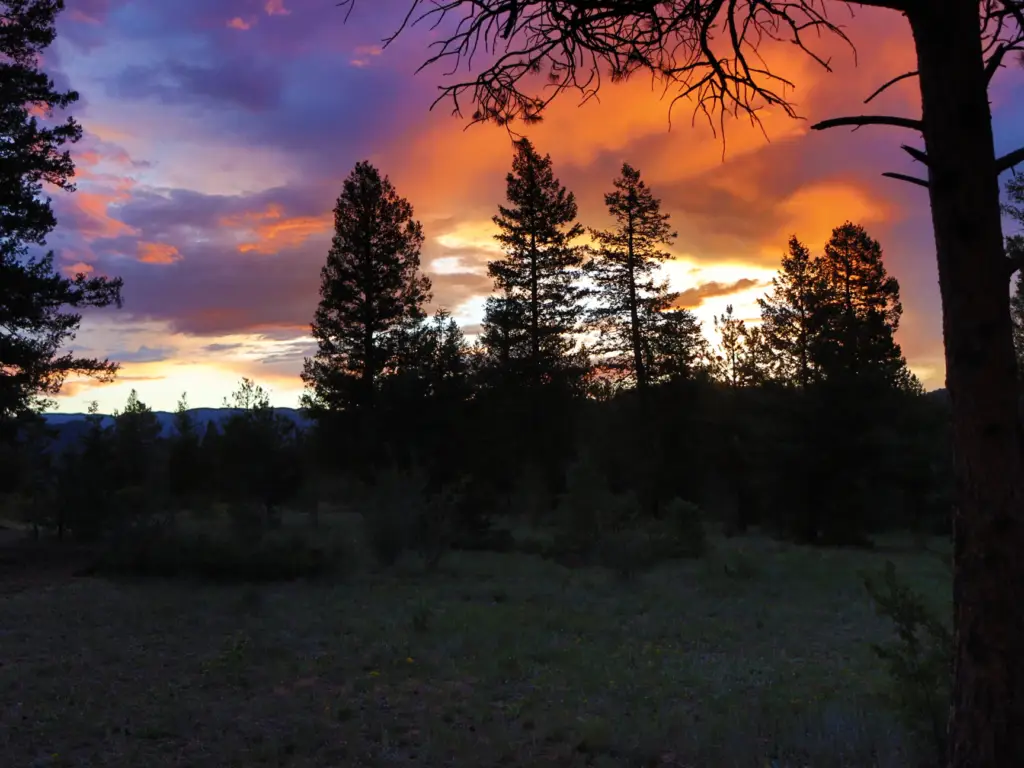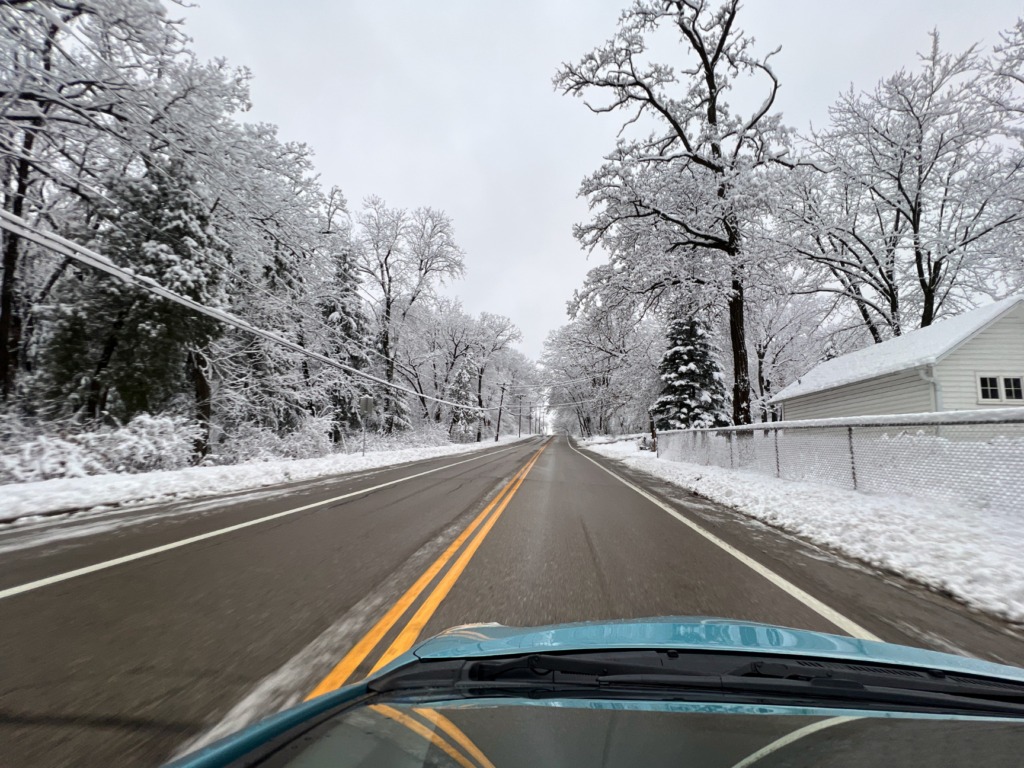
A winter travel healthcare assignment can look very different depending on where you decide to spend those 13 weeks. You could be scraping ice off your windshield before a morning shift in the Midwest, watching snow fall outside your temporary apartment in New England, or heading in the opposite direction and spending January somewhere that barely feels like winter at all.
That variety is part of what can make winter an interesting time to travel. But choosing a winter assignment involves more than deciding whether you’d rather pack snow boots or sunglasses. Weather, transportation, housing, holiday schedules, location, and the timing of your contract can all affect what the assignment is actually like once you arrive.
If you’re considering traveling this winter, think beyond the job itself. The right assignment should make sense both inside and outside the facility.
Decide What Kind of Winter You Actually Want
Winter doesn’t have to mean snow.
Some travelers may love the idea of spending a season near mountains, skiing on days off, or experiencing a snowy destination they wouldn’t otherwise visit. Others would happily avoid freezing temperatures altogether and use a winter assignment as an excuse to head somewhere warmer.
Start by thinking about what you want from the location. If you’re choosing a colder destination, consider whether you’re comfortable driving in snow and ice, dealing with shorter daylight hours, and spending more time indoors when you’re off shift. If you’re looking at warmer locations, think about what makes that destination appealing beyond the weather and whether the surrounding community offers the lifestyle you want during an assignment.
Travel healthcare gives you an opportunity to experience a place during a season you might never choose for a traditional vacation. That can be part of the adventure, but only if the season fits what you actually enjoy.
Research the Weather Before You Accept
Looking at an average January temperature is a start, but it doesn’t tell you everything you need to know about winter in a new location.
Research typical snowfall, ice, wind, and major weather patterns for the area. A destination where temperatures regularly drop below freezing may require very different preparation from somewhere that occasionally gets a light snowfall. Mountain communities can present different driving challenges than cities where major roads are cleared quickly, while some regions may experience winter storms that affect transportation and daily routines.
If you’ve never lived in a cold climate, don’t assume you’ll figure everything out when you arrive. Understanding what winter normally looks like in the area gives you time to prepare your car, wardrobe, housing, and commute before your first shift.
Think About the Commute in Winter Conditions
A commute that looks easy on a map may be very different during winter weather.
Ten miles on a clear afternoon might take 15 minutes. Those same ten miles during an early morning snowstorm can be another story. If you’re considering housing farther from the facility because it’s less expensive or offers more amenities, factor winter driving into the decision.
Look at the roads between potential housing and the facility. Consider whether you’ll be relying on highways, mountain roads, bridges, or smaller roads that may not be cleared as quickly. Ask your housing provider about parking too, particularly if snow removal is common in the area.
For travelers working early mornings, nights, weekends, or on call, transportation matters even more because you may be commuting when road conditions are at their worst or when public transportation options are limited.
Make Sure Your Vehicle Is Ready
If you’re driving to a winter assignment, your vehicle needs to be prepared for the conditions you’ll encounter.
Before leaving, consider having routine maintenance completed and checking your tires, battery, brakes, windshield wipers, fluids, and heating system. Depending on the destination and local requirements, you may also need to research whether winter tires, chains, or other equipment are recommended or required.
Keeping basic winter emergency supplies in your vehicle is also worth considering. A blanket, flashlight, phone charger, ice scraper, gloves, water, and other basic supplies can be useful if weather delays your commute or leaves you waiting for assistance.
If you’re coming from a warmer climate, winter driving may be one of the biggest adjustments of the assignment. Give yourself more time than you think you’ll need, particularly during your first few weeks.
Look at Housing Through a Winter Lens
The things that matter in temporary housing can change with the season.
In a cold-weather destination, ask about heating and whether utilities are included in the rent. Find out who is responsible for snow removal and whether parking is covered or exposed. If you’re bringing a pet, think about how easy it will be to take them outside during bad weather.
Location can become more important too. Living close to grocery stores, the facility, and other essentials may be worth paying a little more if it reduces the amount of driving you need to do during winter storms.
For warm-weather assignments, housing considerations may be different, but they’re still important. Research the neighborhood, commute, seasonal demand, parking, and what utilities are included before committing.
Don’t choose housing based only on how it looks in listing photos. Think about how the property will function during the season when you’ll actually be living there.
Ask About Holiday Scheduling
A winter contract may overlap with Thanksgiving, Christmas, New Year’s, or other holidays depending on its start and end dates.
Before accepting an assignment, make sure you understand the facility’s scheduling expectations. Ask which holidays fall during the contract, whether you’re expected to work specific holidays, how holiday scheduling is handled, and whether any requested time off has been approved and documented appropriately.
If being home for a particular holiday is important to you, bring that up before you commit to the assignment. Don’t assume you’ll be able to work it out after you arrive.
Some travelers don’t mind working holidays and may even enjoy celebrating with coworkers or creating new traditions while they’re away. Others know that missing a particular family gathering would make the assignment difficult. Neither is wrong, but it’s better to know what matters to you before the schedule is finalized.
Consider the Timing of Your Contract
A winter assignment can affect more than where you spend December or January. Think about when the contract ends and what you want to do afterward.
If your assignment ends in February or March, will you want another winter destination or be ready to head somewhere warmer? Does the timing work with family events, school schedules, planned vacations, or other commitments? If you prefer taking time between contracts, does the end date give you room to do that?
Looking one step ahead can prevent you from accepting an otherwise great assignment that creates awkward timing later.
You don’t need your entire year planned before accepting a winter contract. It simply helps to understand where those 13 weeks fall within the rest of your life.
Pack for the Season, Not Just the Assignment
Packing for a winter assignment requires a little more planning than throwing a few extra sweaters in the car.
For colder destinations, you may need a warm coat, waterproof shoes or boots, gloves, hats, layers, and clothing that works for the actual temperatures you’ll encounter. If you plan to spend time outdoors on your days off, your recreational gear may take up additional space too.
Think about your temporary home as well. A humidifier, warm blanket, slippers, or other small comforts may make a cold-weather rental feel much more comfortable. If you’re driving, basic winter vehicle supplies should be part of your packing list.
Travelers heading somewhere warm aren’t completely off the hook. Check seasonal temperatures instead of assuming every day will feel like summer. Even traditionally warm destinations can have cooler mornings and evenings during the winter months.
Don’t Forget About Your Days Off
The facility is only one part of an assignment.
Think about what life will look like when you’re not working. If you’re considering a snowy destination, research winter activities, nearby towns, restaurants, museums, parks, ski areas, or other things you’d enjoy. If you’re heading somewhere warmer, look into beaches, hiking, outdoor dining, festivals, or day trips available during the season.
Also consider how winter affects your mood and routine. Someone accustomed to plenty of sunlight may find the shorter days in a northern destination more noticeable than expected. If you know being outdoors is important to you, choose a destination where you’ll realistically be able to enjoy your time away from work.
A good assignment isn’t only about getting through your shifts. Ideally, the location should give you something to look forward to on your days off too.
Ask Questions Before You Say Yes
Before accepting a winter travel healthcare assignment, make sure you understand both the job and the logistics surrounding it.
Useful questions may include:
- What are the holiday scheduling expectations?
- Is call required for this position?
- What does the typical schedule look like?
- Has the facility had weather-related staffing challenges in previous winters?
- What happens if severe weather affects transportation?
- How far do travelers typically live from the facility?
- What should I know about commuting in the area?
- Are there parking considerations during winter weather?
- Are there specific experience or skill requirements for this assignment?
- Is any requested time off documented before the contract begins?
Your recruiter can help you understand the assignment details, while local research can help you evaluate the destination itself. You want both pieces before making the decision.
Make Winter Part of the Experience
One of the advantages of travel healthcare is being able to experience places during seasons you might otherwise never see.
You could spend your winter exploring a snowy mountain town, experiencing the holidays in a new city, discovering what a quieter off-season destination is like, or escaping cold weather altogether. The right choice depends on what you want from the assignment.
A little preparation can make the difference between spending 13 weeks fighting the season and actually enjoying it. Think about the weather, housing, transportation, schedule, and your life outside work before you commit.
Then choose the winter that works for you.
Find Your Next Winter Assignment With TotalMed
Whether your ideal winter includes snow-covered weekends or sunshine on your days off, the right travel healthcare opportunity starts with finding an assignment that fits your experience, priorities, and plans.